
About the Swahili People: Guardians of East Africa’s Coastal Heritage
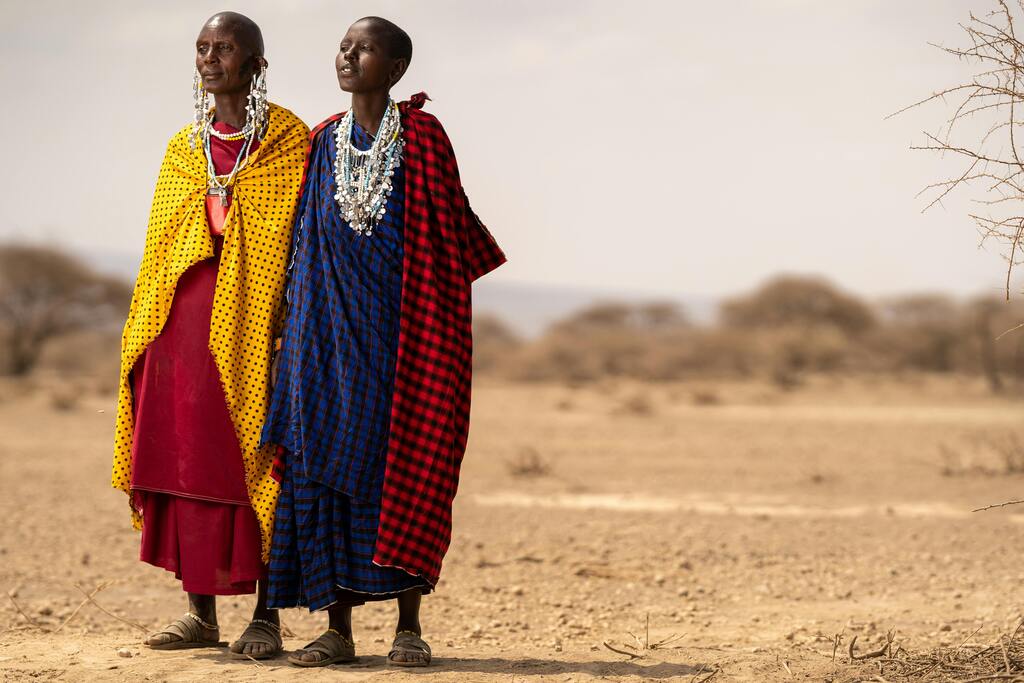
The Origins of the Swahili People
The Swahili people trace their roots to the coastal regions of East Africa, particularly along the shores of Kenya and Tanzania. Their identity was shaped by centuries of interaction with African, Arab, and Persian traders, creating a cultural blend that is both distinctive and enduring. This fusion is most evident in their language, Kiswahili, which serves not only as a tool for communication but also as a living testament to their history and shared identity.
Continue ReadingLatest News, Life Style & More
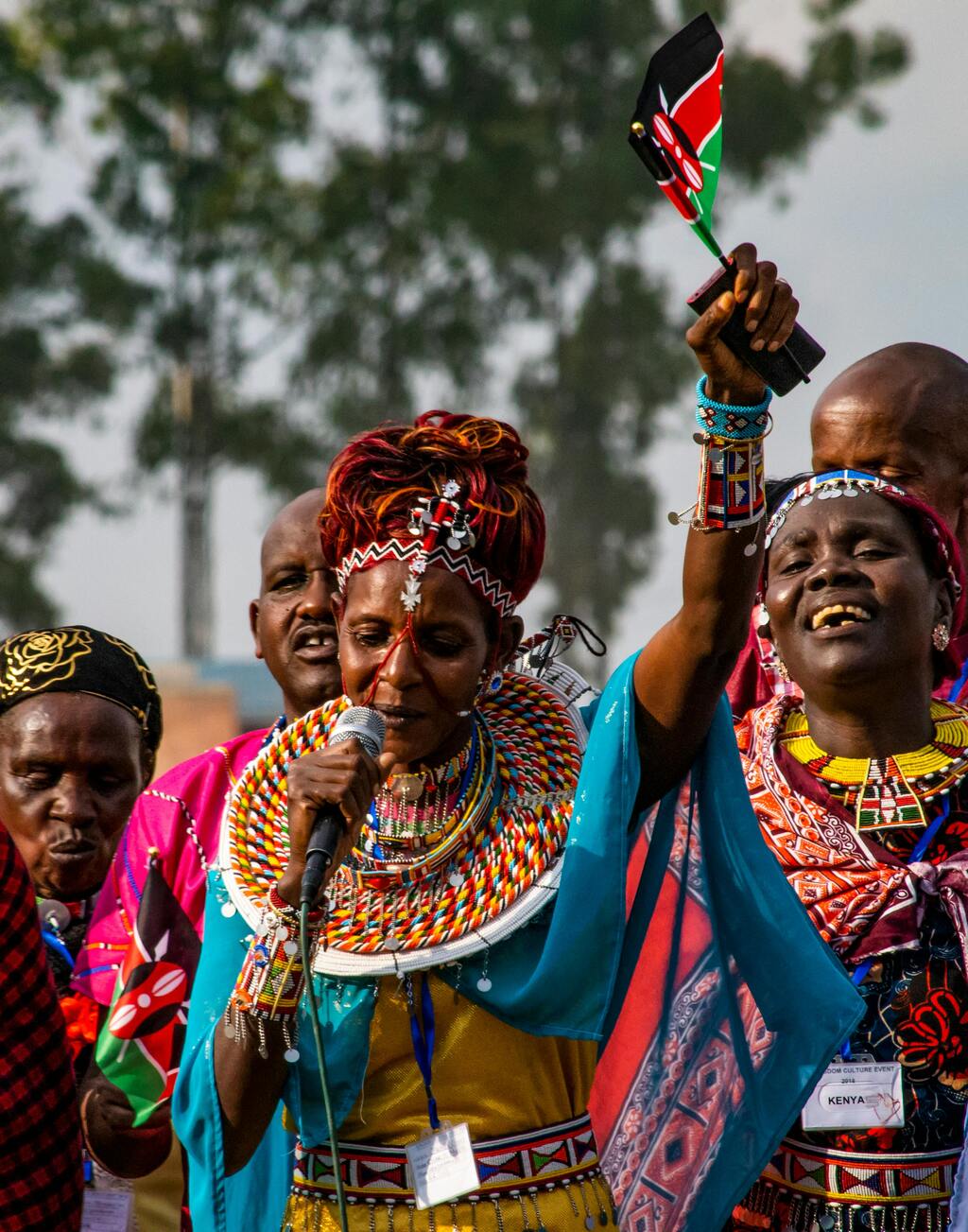
The Swahili Coast: A Hub of Trade and Culture
Historically, the Swahili coast thrived as a bustling center of commerce. Merchants exchanged gold, ivory, and spices with traders from the Middle East and beyond. The strategic location of Swahili towns made them gateways to global trade, fostering relationships that enriched their cultural landscape. This legacy of exchange is still visible today in the architecture of coastal cities, where intricately carved wooden doors and coral stone buildings reflect centuries of artistry and influence.
Top Guided Tours Around Nairobi
- Instant Confirmation.
- Free Cancellation.
- Best Price Guarantee.
You'll receive a full refund if you cancel at least 24 hours in advance of most experiences.
Traditions That Define Swahili Life
Beyond trade and architecture, the Swahili people have preserved traditions that continue to enrich East Africa’s cultural fabric. Their music, dance, and cuisine are central to community life, offering vibrant expressions of unity and resilience. Celebrations often bring entire communities together, showcasing the warmth and hospitality for which the Swahili are renowned.
The Swahili Legacy in the Modern World
Today, Swahili culture thrives as a bridge between past and present. While modernity brings new challenges, the Swahili people remain committed to preserving their heritage. Visitors to East Africa are often captivated by their generosity and charm, making the Swahili identity an essential part of the region’s allure.
Why the Swahili People Matter
The story of the Swahili people is more than history—it is a living narrative of resilience, adaptation, and cultural pride. Their influence stretches beyond East Africa, as Kiswahili has become one of the most widely spoken languages on the continent. For anyone seeking to understand the richness of African heritage, the Swahili people offer a compelling example of how tradition and modernity can coexist in harmony.
Rotating Partner Websites
KenyaWeb News - November 2026 UpdateSearch our Network. Start here.